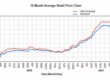
A Surge in Consumer Confidence
After a stretch of sluggish sales and cautious spending, U.S. retail is back in the spotlight with a strong rebound that’s boosting optimism for the broader economy. The latest figures indicate a significant increase in retail sales across multiple categories, including clothing, electronics, home goods, and dining. Analysts credit this revival to easing inflation pressures, improving job security, and rising consumer confidence. People aren’t just shopping for essentials—they’re also splurging on travel, dining out, and lifestyle purchases. This shift signals a much-needed boost for businesses still recovering from pandemic-era slowdowns.
A Ripple Effect on the Economy
This retail rebound isn’t just good news for stores—it’s a positive signal for the entire economic landscape. When consumers spend more, it drives demand for production, transportation, and services, creating a ripple effect that benefits multiple sectors. Retail hiring has also shown modest gains, which could further strengthen the labor market. Economists note that strong retail numbers are a critical indicator of economic resilience, especially during uncertain global conditions. For small businesses, the surge in consumer spending presents a vital opportunity to recapture market share and drive growth. For large retailers, it’s a chance to invest in technology, supply chains, and customer experience.
What’s Next for Retail and the Economy
While this momentum is promising, experts caution that sustained growth will depend on keeping inflation in check and maintaining wage stability. Seasonal sales, holiday promotions, and strategic pricing will play an important role in keeping shoppers engaged. If consumer spending holds steady, retail could help push GDP growth higher than expected in the coming quarters. Overall, the rebound reflects a renewed sense of optimism in the U.S. economy—a reminder that consumer activity remains one of the strongest drivers of growth. With shoppers returning in force and retailers adapting to evolving preferences, the outlook is brighter than it has been in months.