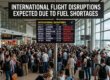
Lufthansa Group will cancel 20,000 short-haul flights between May and October. Jet fuel prices have doubled recently. The Iran conflict caused this massive price spike. The airline wants to save fuel. The company needs to cut operating costs immediately. This decision provides actionable intelligence for the aviation sector.
Strategy Behind the Flight Cuts
Lufthansa will target unprofitable European routes. Flights from Frankfurt and Munich face the biggest reductions. The airline canceled 120 daily flights this week. Passengers received notifications about these changes.
The current adjustment plan runs until the end of May. A full summer schedule update will arrive later. The company expects to publish this document in late April. Travelers will see the final schedule in early May.
German flag carrier took drastic steps. The company also announced the shutdown of its Cityline regional unit. Lufthansa grounded 27 older aircraft. These planes consume too much fuel. The airline will remove them from the flight program permanently. This action reduces further financial losses.
Fuel Savings for the Airline
The airline expects huge benefits from this strategic move. It will save about 40,000 metric tons of jet fuel. The total flight reduction equals a small capacity drop. It represents less than one percent of available seat kilometers.
Lufthansa prioritizes efficiency over raw flight numbers. The company must manage record-high operating expenses. Jet fuel remains a massive cost component for airlines.
The group airlines hedge eighty percent of their fuel. The company must buy the remaining twenty percent at market prices. These market prices are extremely high right now. The company uses physical procurement to manage costs. It also relies on specific price hedging measures.
European Hubs and Destinations
Some European cities will lose direct connections. The airline dropped Bydgoszcz and Rzeszow in Poland. Stavanger in Norway also lost its route temporarily. Lufthansa will consolidate ten other regional connections.
It will move this traffic through alternative group hubs. Operations in Zurich will expand instead. Vienna and Brussels will also see strategic growth.
The company wants to maintain its global route access. Long-haul connections remain safe from these specific cuts. The airline group will protect its intercontinental flights. The management team focuses strictly on short-haul efficiency.
Industry Supply Crisis
While Lufthansa is taking drastic steps, other global airlines face the exact same fuel crisis. Fuel prices skyrocketed recently. The geopolitical conflict caused this. The entire European aviation sector faces a critical supply shortage.
European transport ministers met recently to discuss the growing problem. The International Energy Agency shared a very grim warning. Europe has less than six weeks of jet fuel supplies left. EU officials are exploring new emergency options.
The region might source alternative jet fuel from America. Officials might allow airlines to carry extra fuel from outside Europe. The European Commission plans to monitor fuel stocks closely. Authorities might distribute fuel between member states. Transport commissioner Apostolos Tzitzikostas mentioned possible interventions. The EU wants to offer flexibility for struggling airlines.