

Maryland’s governor blasts Trump for ‘scare tactics’ on crime
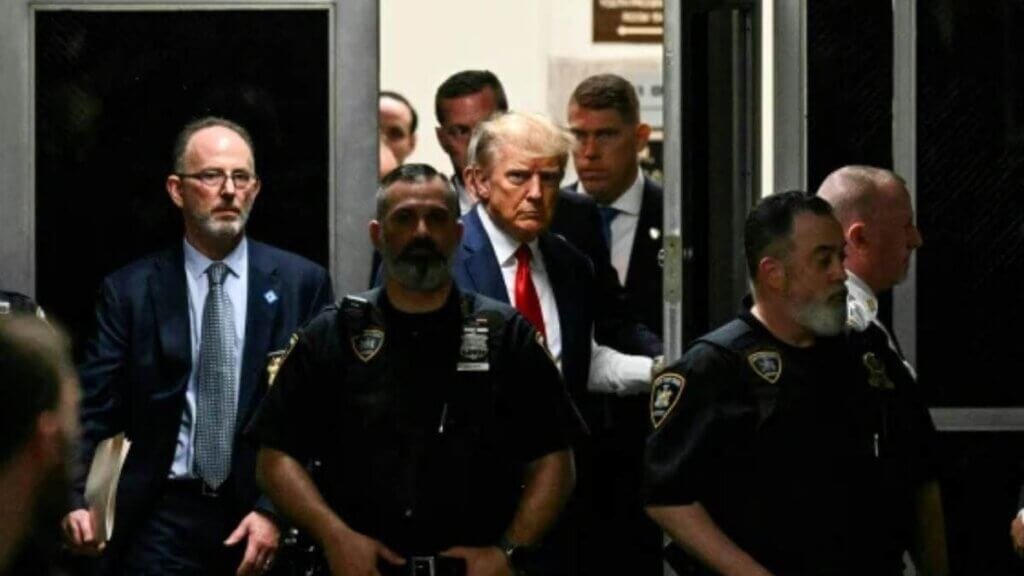
Trump Threatens National Guard Deployment in Baltimore
The war of words between Donald Trump and Maryland Governor Wes Moore reached a new level Sunday, with Trump threatening to send National Guard troops into Baltimore to combat crime, while Moore pushed back, accusing the president of recycling outdated racist tropes rooted in what he called “blissful ignorance” for political gain. The escalating exchange highlights Trump’s broader push to expand military presence in Democratic-run cities, which he often labels as crime-ridden. His administration has already deployed more than 2,000 National Guard troops to Washington, D.C. The clash also comes on the heels of Moore challenging Trump directly, inviting him to join a public safety walk in Maryland next month.On Truth Social, Trump lashed out at Moore, writing that the governor’s “record on Crime is a very bad one” and threatening to send troops “like what’s being done in nearby D.C.” He also took a jab at Moore by referencing the 2024 Francis Scott Key Bridge collapse, suggesting he might rethink the federal funding Maryland received for repairs.
Wes Moore Highlights Crime Decline, Blasts Federal Cuts
Moore, however, defended his record, pointing out that the state’s homicide rate has dropped more than 20 percent since he took office. He highlighted Baltimore’s 68 homicides in the first half of the year, the lowest number in 50 years as evidence of progress.When pressed with FBI data ranking Baltimore among the highest in violent crime and murder rates nationwide, Moore acknowledged challenges remain but shifted blame toward the administration. He criticized Trump for slashing violence prevention funding and playing politics instead of supporting real solutions. Moore also drew a stark contrast between his own military service in Afghanistan and Trump’s avoidance of the draft during Vietnam, calling it “deeply disrespectful” for the president to push National Guard troops into roles they were never trained to fulfill.Moore made clear that Maryland’s National Guard would not be deployed under his watch, explaining their mission is to respond to emergencies and disasters, not to serve as an extension of law enforcement. He accused Trump of deflecting responsibility and politicizing safety concerns.
Baltimore Mayor Rejects Troops, Seeks ATF/DEA/FBI Support
Meanwhile, reports emerged that the Pentagon has been preparing for potential military deployment in Chicago. Baltimore’s mayor, Brandon Scott, firmly opposed the idea of federal troops in his city, though he called for increased support for local ATF, DEA, and FBI field offices. He dismissed Trump’s threats as political theater, saying: “If Trump wants to roll into Baltimore purely to stage a photo op and spew racist narratives about Black-led cities, I speak for the vast majority of our residents when I say: We are not interested.”
Compliance and regulations

Calling all small business federal contractors! The landscape of SBA eligibility is poised for its biggest shift in years. The Small Business Administration has dropped a groundbreaking proposed rule that could significantly expand your access to the federal marketplace. The headline: over half of all monetary size standards are recommended for an increase, with 263 NAICS codes potentially seeing their thresholds jump by an average of 23%.
But this goes far beyond simple number adjustments. The SBA is initiating a profound policy conversation, posing twelve pointed questions to industry. They’re re-examining everything from their long-standing practice of never lowering standards to the economic formulas used and the future of unique exceptions for industries like dredging. The answers will shape the final rule and set a new precedent for how size standards are reviewed.
This is more than an update; it’s a potential gateway. If enacted, these changes could redefine your competitive standing, allowing your business to compete for a wider array of set-aside contracts for years to come. Now is the time to engage and ensure your voice helps shape the future of small business contracting.
Master Sole-Source Protest to Protect Your Government Contracting Opportunities
Understanding sole-source protest timelines is critical in the US government contracting industry. A recent GAO decision highlights a key pitfall: a protester must directly submit a capability statement to the agency to be an “interested party.” In Economic Systems, Inc., the GAO dismissed the challenge because the firm filed a protest with a declaration instead of providing a capability statement to the agency by the response deadline. This case underscores that sole-source protest timelines require strict adherence to agency instructions. Navigating sole-source protest timelines correctly is essential for vendors seeking to compete against intended sole-source awards. Always ensure you meet the specific sole-source protest timelines and submission requirements outlined in the agency’s notice. Properly managing sole-source protest timelines can be the difference between having your day in court and having your case dismissed. Mastering sole-source protest timelines is a non-negotiable skill for successful government contractors.
The 2025 Executive Orders and Their Impact on Federal Contracting
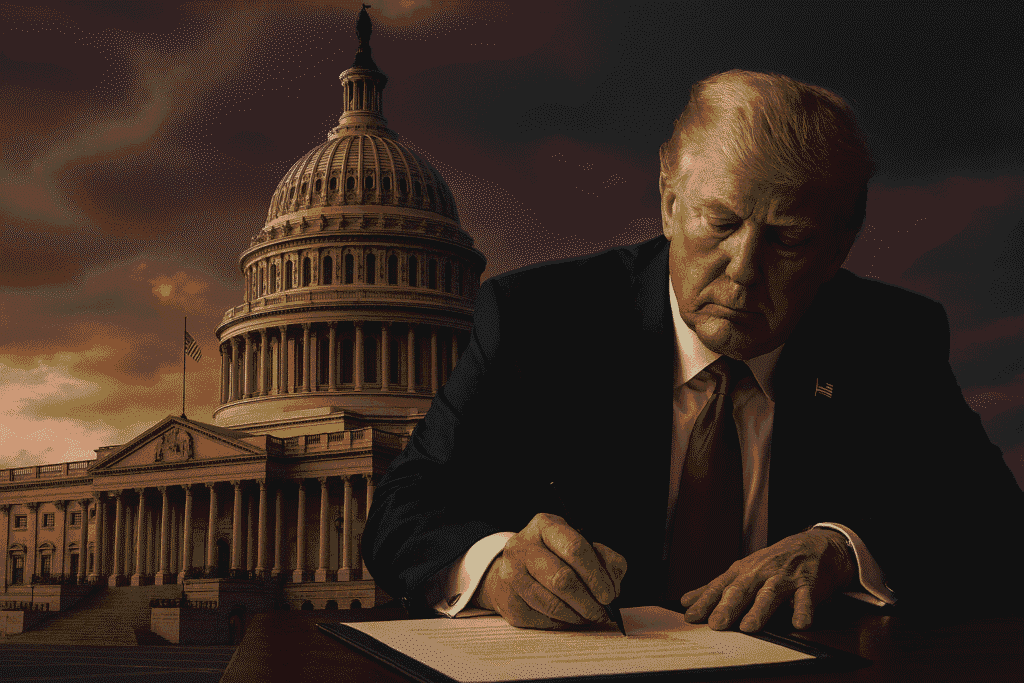
In 2025, one of the biggest political developments in the United States was the wave of executive orders signed by President Donald Trump during his second term. These orders are changing how the federal government buys goods and services from private companies. For businesses that work with the government, called federal contractors, these changes are important and could affect how they operate, what they offer, and how they compete.
Let’s break down what’s happening, why it matters, and what it could mean for contractors going forward.
What Are Executive Orders?
Executive orders are official instructions from the President. They don’t need approval from Congress, but they can still have a big impact on how government agencies work. In this case, several executive orders are focused on federal procurement—that’s the process the government uses to buy things like software, medical supplies, construction services, and more.
Key Executive Orders in 2025
Here are four major executive orders that are shaping federal contracting right now:
- Executive Order 14275: Restoring Common Sense to Federal Procurement
This order calls for a major rewrite of the Federal Acquisition Regulation (FAR), which is the rulebook for government buying. The goal is to simplify the process and remove rules that are seen as unnecessary or confusing. - Executive Order 14271: Ensuring Commercial, Cost-Effective Solutions in Federal Contracts
This order pushes agencies to buy more commercial products and services—things that are already available in the private market—rather than creating custom solutions that take more time and money. - Executive Order 14240: Eliminating Waste and Saving Taxpayer Dollars by Consolidating Procurement
This order tells agencies to combine their purchases of common goods and services under the General Services Administration (GSA). The idea is to reduce duplication and get better prices. - Executive Order 14265: Modernizing Defense Acquisitions and Spurring Innovation in the Defense Industrial Base
This one focuses on the Department of Defense. It asks for a review of how defense contracts are awarded and encourages innovation in military technology.
Why This Matters to Federal Contractors
These executive orders are not just paperwork, they change how companies interact with the government. Here’s how:
- Simplified Rules Could Help Small Businesses
If the FAR becomes easier to understand and follow, smaller companies might find it easier to compete for contracts. Right now, many small businesses struggle with the complexity of federal procurement rules. - More Focus on Commercial Products
Companies that already sell products or services to the general public may have more opportunities to work with the government. This could open doors for tech firms, logistics providers, and others who haven’t traditionally focused on federal contracts. - Consolidation Means Bigger Contracts
When agencies combine their purchases, the contracts get larger. This can be good for big companies that can handle large orders, but it might make it harder for smaller firms to compete unless they form partnerships or join subcontracting teams. - Defense Contractors Need to Adapt
For companies working with the military, the push for innovation means they’ll need to stay ahead of the curve. That could mean investing in research and development or forming alliances with startups and universities.
Risks and Uncertainties
While these changes could bring new opportunities, they also come with risks:
- Regulatory Overhaul Takes Time
Rewriting the FAR is a huge task. It could take years, and during that time, contractors may face confusion or delays as agencies adjust to new rules. - Increased Risk of Contract Changes
Some experts warn that these executive orders might lead to more contract terminations or modifications. Contractors need to be ready for sudden changes and have plans in place to manage disruptions. - Political Shifts Could Reverse Policies
Executive orders can be changed or canceled by future presidents. That means contractors need to stay flexible and avoid relying too heavily on any one set of rules or priorities.
What Contractors Can Do Now
- Stay Informed
Keep an eye on updates from the Office of Management and Budget (OMB), the GSA, and other key agencies. Join industry groups or attend webinars to stay in the loop. - Review Your Offerings
Look at your products and services. Are they commercial? Are they cost-effective? Can they be scaled up for larger contracts? - Build Relationships
Talk to your agency contacts. Ask how these changes might affect upcoming opportunities. Strong communication can help you stay ahead of the curve. - Prepare for Flexibility
Make sure your business can handle changes in contract terms, timelines, or requirements. That might mean updating your legal team, improving your project management systems, or diversifying your client base.
Federal contracting is always influenced by politics, and 2025 is no exception. The current executive orders are aimed at making government buying faster, cheaper, and more efficient. Whether that goal is achieved remains to be seen, but one thing is clear: contractors need to pay attention.
The key to the Trump administration’s rapid detention ramp up! Republican governors

GOP Governors Vie for Trump’s Immigration Funds
If you thought Trump’s immigration crackdown was already tough, buckle up. It’s about to get way bigger, flashier, and oddly… branded. Republican governors across the country are competing for billions in federal dollars from Trump’s massive new immigration enforcement law, the One Big Beautiful Bill Act. The money is fueling a rapid expansion of detention facilities, and red states are lining up to get their slice.So far, the Trump team has struck deals to launch sites in Florida, Indiana, and Nebraska each one with nicknames straight out of a dystopian theme park. Florida kicked things off with “Alligator Alcatraz” (yes, that’s the real name), then Gov. Ron DeSantis doubled down with “Deportation Depot.” Indiana’s Gov. Mike Braun is pushing the “Speedway Slammer,” while Nebraska is working on the “Cornhusker Clink.”
Branded Detention Sites Proliferate in Red States
Meanwhile, Texas just opened “Lone Star Lockup,” a massive tent detention center at Fort Bliss. And in Louisiana, officials are exploring renovations at parts of Angola Prison, the country’s largest maximum security facility to house migrants.
Texas and Louisiana Expand Capacity With Prisons and Tents
Trump’s administration has a $170 billion budget for border and immigration enforcement, with $45 billion carved out specifically for detention beds. That’s enough to add 80,000 new spots for detainees, a huge expansion of ICE’s capacity.Homeland Security Secretary Kristi Noem has made it clear: more announcements are coming. The model is simple to repurpose prisons, jails, even airport facilities, and bring in state law enforcement through so called 287(g) agreements, which let local police help ICE directly.
$170B Enforcement Plan Adds 80,000 ICE Detention Beds
As ICE deputy director Madison Sheahan put it, working with governors is a “force multiplier” cheaper, faster, and politically rewarding for Republican leaders eager to flex their public safety credentials.
But for GOP governors, the political math is simple: more detention space equals more federal dollars, tougher immigration messaging, and bragging rights for cracking down on crime. As one Oklahoma official put it: “If you do a good job and remove the criminals, you’re going to see benefit from it.”
For now, Trump’s deportation campaign is racing ahead and in true Trumpian style, it’s not just about numbers. It’s about building the biggest, boldest, and most branded detention empire America has ever seen.


