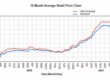
Global Firms Grapple with Soaring U.S. Tariff Costs
Global companies are feeling the squeeze as U.S. tariff costs soar past $35 billion, according to recent reports. The trade landscape is shifting rapidly, and while the numbers sound alarming, there’s a surprising twist — the outlook is slowly stabilizing. Industries from automotive to electronics have been hit hardest, reshuffling their supply chains and production plans to cope with the growing burden of U.S. tariff costs.
Many manufacturers are exploring alternative routes, such as relocating production to North America or forming new trade partnerships. The goal? Reduce dependence on high-cost import channels. Despite the challenges, several firms are showing resilience, proving that even in the face of record U.S. tariff costs, adaptability remains a powerful advantage.
Outlook Stabilizing Amid Policy Adjustments
While U.S. tariff costs have caused pain, a wave of trade negotiations and new agreements — especially with Europe and Asia — are beginning to calm the storm. Companies that once struggled with unpredictability are now finding steadier ground. In fact, economists suggest that the current stabilization may signal the beginning of a “tariff plateau,” where costs stop climbing at such a sharp pace.
This gradual stabilization offers a sigh of relief for executives and investors who’ve been bracing for worse. With better policy clarity, firms can now focus more on innovation, domestic expansion, and long-term competitiveness rather than firefighting tariff impacts. The levelling of U.S. tariff costs may even encourage companies to invest more confidently in U.S. operations.
Turning Pressure into Progress
What’s interesting is how adversity has fuelled creativity. The pressure from U.S. tariff costs has pushed companies to automate, localize, and digitize faster than ever. Many firms are turning their challenges into opportunities for growth and efficiency. If this trend continues, the same tariffs that once threatened to slow progress could ironically help drive a more self-reliant U.S. industrial base.
In short, U.S. tariff costs may be a tough pill to swallow. Still, they’re also reshaping global business strategy — and perhaps laying the groundwork for a stronger, more balanced industrial future.