
In federal contracting, past performance is often treated as a routine form. Contractors list completed projects, add a few dates, and move on. But this section holds more weight than most realize. It’s a reflection of your credibility.
A well-crafted past performance narrative does more than prove you’ve done the work. It shows how you did it, why it mattered, and how it aligns with the agency’s goals. Yet many contractors miss this opportunity. They rely on generic summaries that fail to connect with evaluators.
Narratives are underleveraged because they’re misunderstood. They’re persuasion. When written with intention, they can influence how agencies view your Contractor Responsibility Determination. They can tip the scale in competitive bids.
This blog explores how to turn your past performance narrative into a strategic asset. We’ll break down what makes a narrative effective, how to structure it, and how to reflect strengths that align with your CPARS Evaluation Strategy. Whether you’re bidding on a small task order or a multi-year contract, your past performance narrative can speak louder than your technical volume. Let’s make it count.
What Makes a Narrative Powerful
A past performance narrative is a short, focused story that shows how your company delivered results on a previous federal contract. It’s a proof point.
When written well, it helps evaluators picture your team in action. They see how you solved problems, met deadlines, and supported the agency’s mission. It’s your chance to show that you understand federal expectations.

This matters because evaluators use these narratives to assess Contractor Responsibility Determination. They’re asking: Can this contractor deliver again? Are they reliable, responsive, and mission-ready?
A strong narrative builds trust. It connects your past work to the agency’s current needs. And it sets the tone for the rest of your proposal.
Structuring for Impact
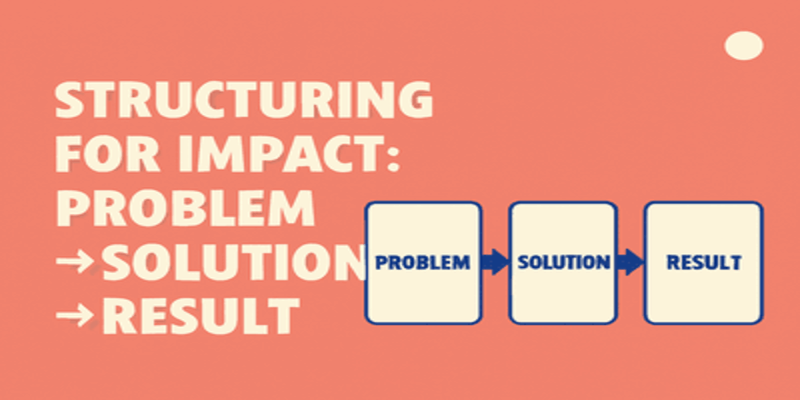
A strong past performance narrative follows a simple, repeatable structure: Problem → Solution → Result. This format keeps your story focused and easy to follow. It also helps evaluators connect your experience to their current needs.
Start with the problem. What challenge did the agency face? Be specific. Was it a tight deadline, outdated systems, or a complex stakeholder environment?
Then move to the solution. Describe what your team did. Highlight your approach, tools, and coordination. Keep the language active and clear.
End with the result. This is where you show impact. Use metrics if possible, cost savings, reduced turnaround time, and improved compliance. If you don’t have numbers, describe outcomes in terms of mission success or client satisfaction.
This structure also supports your CPARS Evaluation Strategy. CPARS scores reflect how well you performed in areas like quality, schedule, and cost control. Your narrative should echo those strengths. If you consistently delivered ahead of schedule or under budget, say so. If your client praised your responsiveness, include that.
The goal is to make your story credible and outcome-driven. This format helps you do that with clarity and confidence.
Common Mistakes to Avoid
Even experienced contractors fall into the trap of writing weak past performance narratives. The most common issue? Generic language. Phrases like “successfully completed the project” or “met all requirements” don’t say much. They lack detail and fail to build trust.
Another mistake is skipping measurable results. If you don’t show impact, evaluators can’t gauge your value. Numbers matter, cost savings, reduced timelines, and improved compliance. If metrics aren’t available, describe outcomes clearly.

Finally, many narratives ignore agency priorities or the CPARS Evaluation Strategy. If the agency values schedule and cost control, your story should reflect that. Highlight strengths that align with CPARS categories like quality, responsiveness, and management.
Avoiding these mistakes helps your narrative stand out. It shows you understand what matters, and that you’re ready to deliver.
From Compliance to Competitive Edge
A strong past performance narrative does more than meet a requirement; it builds trust. It shows that you understand the agency’s mission, that you’ve delivered before, and that you’re ready to do it again. When written with clarity and purpose, it becomes a competitive advantage.
But even the best narrative can go stale. Contracts evolve. Priorities shift. Make it a habit to review and refresh your narratives. Tailor them to each solicitation. Align them with the agency’s goals and your most recent CPARS Evaluation Strategy.
Above all, treat this section as a storytelling opportunity. Not fiction, factual storytelling that proves your value. It’s where your experience becomes evidence. And in federal contracting, that’s what wins.