President Donald Trump has proposed a temporary 10% cap on credit card interest rates. This move aims to lower the high cost of borrowing for millions of Americans. It serves as a direct intervention in the current Banking system. This policy is the beating heart of a new economic push for worker relief. Industry insiders and investors must now prepare for a major market disruption.
The Core Proposal
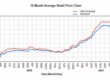
The plan introduces a one-year limit on what banks can charge. Currently, credit card interest rates average over 24% across the nation. This proposal would slash those rates by more than half. Trump argues that these high rates are a “debt trap” for the middle class. The goal is to provide immediate financial air to struggling households. This isn’t just a minor tweak; it is a fundamental change to lending rules.
The administration plans to implement this via executive or legislative action. Critics and supporters are already debating the legal authority for such a cap. However, the political momentum behind the move is growing fast. Analysts believe this will force a total rewrite of short-term lending strategies. The “interim” nature of the cap suggests a test run for broader financial reforms.
Modern Banking System
The Banking system depends on high-interest revenue to offset lending risks. Major institutions like JPMorgan Chase, Bank of America, and Citigroup earn billions from these fees. A 10% cap will create a significant revenue gap for these giants. Banks might respond by making it harder for people to get new cards. This could lead to a sudden decrease in available consumer credit.
Smaller banks and credit unions may face even tougher challenges. They often have less capital to handle a sudden drop in profit margins. We might see a wave of mergers as the Banking system tries to stay stable. Investors should watch for shifts in bank stock valuations immediately. This policy directly challenges the traditional “risk-versus-reward” model of the financial industry.
The Surge in Consumer Debt
Total consumer debt in the United States has reached a record $1.17 trillion. High credit card interest rates have made this debt nearly impossible to pay down for many. Lowering the rate to 10% would help people pay off their principal balances faster. This would move more money into the general economy instead of bank coffers.
There is a risk that cheaper credit will encourage more borrowing. If people spend more than they can afford, the consumer debt bubble could expand. Policymakers are looking for ways to balance relief with financial responsibility. The industrial base relies on a stable workforce that isn’t crushed by personal debt. This policy could improve the overall health of the national labor market.
Strategic Implications
A healthy economy requires workers who can manage their basic costs. When credit card interest rates are too high, it hurts employee productivity. Workers under financial stress are less focused on the job. Lowering debt costs acts as a silent stimulus for the entire industrial sector. It ensures that more “take-home pay” stays in the pockets of the people building America.
Supply chain managers should expect a rise in consumer demand. With lower interest payments, families will have more cash for goods and services. This could lead to higher orders for manufacturers and logistics firms. Investors should consider shifting focus to retail and consumer staples. These sectors usually gain when the public has more disposable income.
Market Shifts
- Bank Revenue: A predicted drop in quarterly earnings for major credit card issuers.
- Credit Availability: A potential tightening of credit scores required for new accounts.
- Stock Volatility: Increased movement in the financial sector as the 10% cap is debated.
- Debt Repayment: A spike in the rate of consumers paying off their existing balances.
Final Thoughts
The proposal to cap credit card interest rates at 10% marks a turning point. It shows a government willing to move against the Banking system for the sake of the voter. The long-term success of this plan depends on how the market reacts. If banks stop lending, the economy could slow down. If they adapt, we might see a more stable middle class.The next twelve months will be a period of high alert for analysts. Every move in Washington will impact your portfolio and your business strategy. We must watch how the legal challenges to this cap play out in court. This policy is a bold bet on the American consumer. Stay informed as we track the final implementation of lower credit card interest rates.