I'm Naymul Hasan, and I've been working in government contracting for over 5 years. During this time, I've gained hands-on experience navigating federal procurement processes, managing contracts, and ensuring full compliance with government regulations. I specialize in proposal development, vendor coordination, and delivering value-driven solutions that meet the unique needs of public sector clients. I'm passionate about helping organizations succeed in the complex world of government contracting.
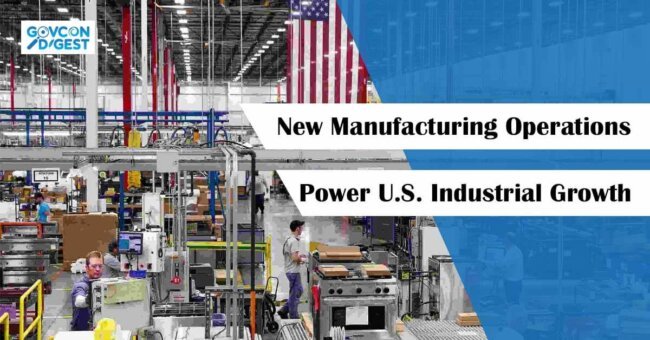
America Breaks Ground on New Industrial Projects Across the United States, new manufacturing operations are breaking ground at a record pace—stretching from the industrial heartlands of Ohio to the innovation hubs of Texas and Arizona. These projects mark a new wave of industrial optimism, with billions of dollars pouring into facilities focused on electronics, transportation,…
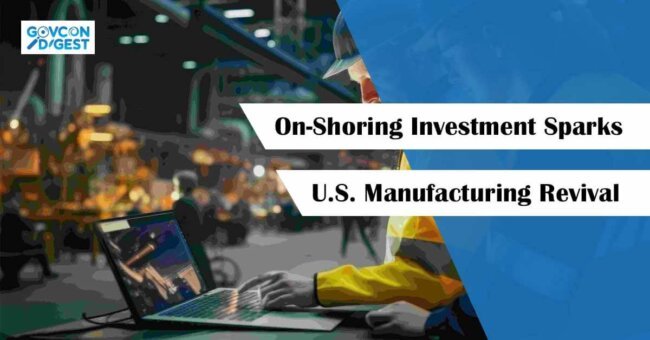
American Manufacturing Comeback The White House is shining a spotlight on a remarkable surge in onshoring investments that’s reshaping the U.S. manufacturing landscape. With global supply chains facing disruption and political tension, the administration’s new industrial strategy focuses on bringing production back home. This means more factories, more innovation, and—most importantly—more high-quality American jobs. According…
A dramatic turn, that’s shaken the foundations of British broadcasting, the BBC’s two highest-ranking executives have resigned over a controversial edit in a documentary on the U.S. President Donald Trump. This scandal highlights the fragile trust in media during these polarized times, reminding us how a single misstep can unravel years of credibility. The Edit…
The Missed Opportunity That Sparked This Blog I once sat with a founder who thought she had nailed her HUBZone application. She had the office in the right zone, the employees she needed, and the paperwork ready. Weeks later, she received a denial letter. The reason? Her employee residency proof didn’t match SBA requirements. She…
The relationship between Speaker Mike Johnson and Minority Leader Hakeem Jeffries has changed sharply during the government shutdown. Once friendly, their connection is now strained by political pressure and influence from President Donald Trump. From Respect to Tension In October 2023, when Mike Johnson became Speaker of the House, Hakeem Jeffries handed him the gavel…
The ongoing U.S. government shutdown has caused serious problems for everyday Americans. From missed meals to delayed flights, the effects are being felt across the country. As of early November 2025, the shutdown has lasted over 35 days, with no clear end in sight. SNAP Benefits Disrupted One of the biggest concerns is the halt…
Progressive Figure Draws Republican Attention Zohran Mamdani, a New York State Assembly member and Democratic mayoral candidate, has become a central figure in Republican rhetoric surrounding the ongoing U.S. government shutdown. GOP leaders cite his progressive stance as emblematic of broader Democratic resistance to their funding proposals. As the federal government shutdown stretches into its…
Building Opportunity in Henderson County A new manufacturing facility spanning 220,000 square feet has opened in Henderson County, North Carolina, bringing nearly 200 new jobs to the community. The facility, recently featured on WYFF4 News, marks another major step in strengthening the region’s industrial base and diversifying the local economy. With an investment of over…
In today’s business world, corporate ethics isn’t just a nice slogan on a website — it’s a serious compliance requirement. With public trust at stake and regulations tightening, companies across the U.S. are realizing that doing the right thing isn’t optional anymore. It’s expected. Government agencies, investors, and even employees are demanding more transparency in…
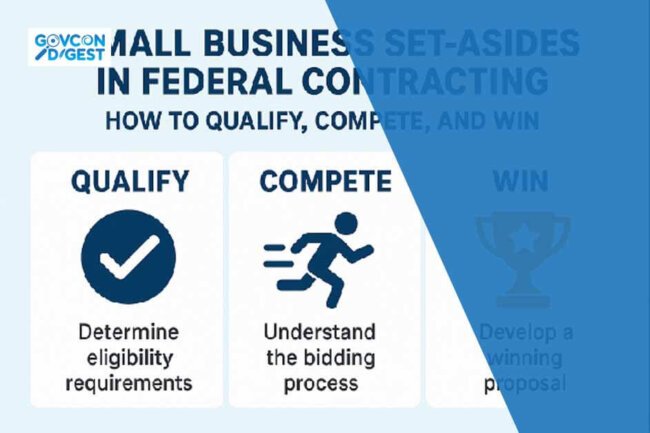
Your Size Is Your Superpower Federal contracting is a massive opportunity. Each year, the U.S. government spends over $600 billion on goods and services, from cybersecurity to construction. But many small businesses assume these contracts are out of reach. That’s not true. Small business set-asides in federal contracting are designed to change the game. These…